
Raising Radon Awareness in Honour of Jill Hall, REALTOR® and Champion for Radon Awareness
How to continue Hall’s work.

Jill Hall was a REALTOR® in Chilliwack, British Columbia, who, after being diagnosed with radon-induced lung cancer, made the courageous choice to speak openly about her experience in hopes of protecting others.
With great sadness, we have learned that Hall succumbed to her illness earlier this spring.
In honour of the work she did to promote radon awareness, we’re platforming Hall’s story in hopes that other REALTORS® can continue her efforts.
Jump Ahead
What is radon?
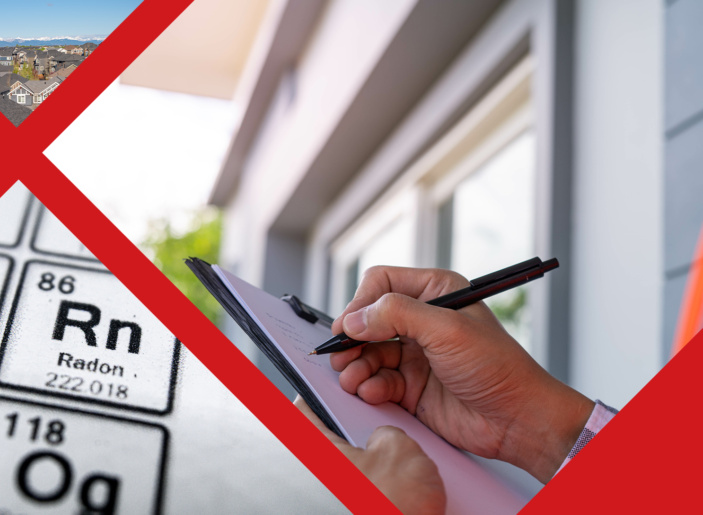
Radon is a radioactive gas that’s odourless, colourless, and tasteless. It’s produced by the breakdown of uranium found in sediment (soil), rocks, and water. When radon is released into the atmosphere it gets diluted and poses negligible risk to human health. If radon accumulates inside a home, it can pose a serious health risk.
Radon is found throughout Canada, but concentrations differ depending on the composition of the bedrock or sediment.
Jill Hall’s story
Spending 20 years as a nurse before becoming a REALTOR®, Hall was no stranger to passion and commitment.
After her family cat succumbed to lung cancer, she never would have guessed that radon was the culprit. A non-smoker, it was a surprise to thereafter learn that she had also been diagnosed with radon-induced lung cancer.
Upon learning more about radon, an invisible, radioactive gas that comes from the ground, she decided to use her own story to raise awareness. She believed strongly that awareness saves lives and dedicated herself to ensuring that radon was better understood by professionals, decision-makers, and the public alike.
How her work made an impact
Over several years, Hall worked closely with real estate boards/associations, regulators, local governments, and organizations such as the BC Lung Foundation. Through her work she raised concerns, shared research, encouraged education, and helped elevate radon as an issue requiring attention across sectors.
With her collaborative spirit and deep commitment to consumer and public health, she was able to disseminate information to help guide decisions that help others.
Her efforts were not limited to organizations and governments, though, but extended generously into the community. She was frequently speaking to members of the public and directly encouraging testing and mitigation measures that individuals could take. Many have credited her work with prompting them to test their homes—a step that could save lives.
Her message was consistent and clear: radon is a real health risk, and awareness matters.
As Hall’s former managing broker, British Columbia Real Estate Association (BCREA) Professional Services Support Advisor Jim McCaughan knew her well.
“I had the privilege of working with Jill for two years,” he said. “Our relationship really expanded as she became a powerful and effective advocate and champion for radon gas awareness in B.C. I was proud to know her and call her a friend.”
Her efforts saw results, with Hall supporting broader public awareness campaigns, advancing professional resources and educational materials, and contributing to the inclusion of radon in the B.C. Property Disclosure Statement.
Her legacy will live on in the awareness she raised, the conversations she started, and the countless people who now know to ask an essential question: “Have you tested your home for radon?”
She will be remembered with respect, gratitude, and admiration.
Have you tested your home for radon?”
How common is radon in Canada?
The 2024 Cross-Canada Radon Survey found that one in five homes in Canada have high levels of radon. Radon is certainly an issue that REALTORS® and home buyers need to be aware of.
How to test for radon
There are two main ways to test a home for radon:
- Buy a do-it-yourself (DIY) radon test kit.
- Hire a certified radon measurement professional.
To get an accurate result, it’s important to do a long-term test (at least three months). If your client chooses a DIY test kit, they need to follow the instructions carefully when setting it up.

Resources for REALTORS®
Health Canada and Take Action on Radon offer free printed publications that REALTORS® can order and share with clients. These include brochures and fact sheets that explain what radon is, why testing matters, how to test, and how to reduce high levels.
REALTORS® can also point clients to Test4Radon.ca, an interactive website that provides answers to common questions, guidance on testing and mitigation, and helpful digital reminders—like when to order a test kit and when to send it back to the lab after the three-month testing period.
REALTORS® can also read CREA’s Homeowners Guide to Radon.
We encourage REALTORS® to educate themselves about the dangers of radon, and how to protect yourself so that they can continue Hall’s legacy by raising awareness in communities and with clients.